Insider Selling in a Stable Market
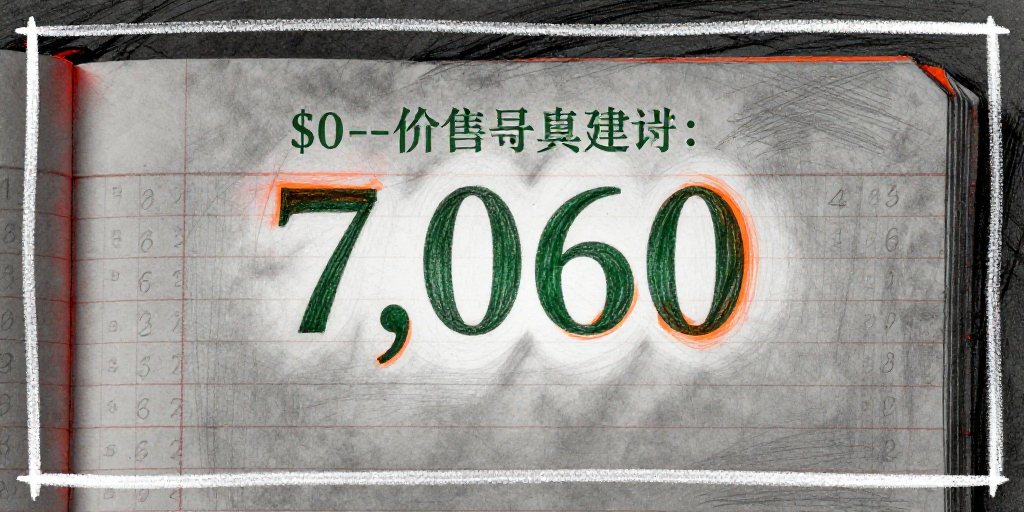
On January 21, 2026, EVP and COO Murray Michael J sold 7,060 shares of DR Horton (DHI) at a price of $0.00—effectively a gift to family members outside his household. The sale left him holding 122,615 shares outright, with an additional 249,825 shares held indirectly and 32,340 shares held indirectly through other vehicles. The transaction occurred just a day after the company’s share price closed at $158.11, and the market reacted with a negligible 0.01 % decline. Social‑media sentiment is strongly positive (+56) and buzz is high (72.46 %), indicating that the sale was largely ignored by retail traders and perceived as a routine transfer rather than a confidence‑signal.
What Investors Should Take Away
The size of the sale—less than 0.005 % of outstanding shares—has little impact on DHI’s capital structure. The fact that the transaction was a gift rather than a market sale suggests that Mr. Murray is simply re‑allocating assets for personal reasons, not signaling a lack of confidence in the company’s long‑term prospects. When insider selling exceeds a certain threshold or coincides with negative earnings guidance, investors often worry about “insider outflow.” Here, the broader context of DHI’s quarterly results shows a modest earnings dip but a slight uptick in home‑sales volume, reinforcing that the business fundamentals remain solid. Consequently, the trade is unlikely to trigger a sell‑off or materially alter the stock’s valuation, which sits comfortably below the 52‑week high of $184.55 and near the 8‑month moving average.
Murray Michael J: A Pattern of Opportunistic Buying and Controlled Selling
Reviewing Mr. Murray’s filing history from August 2025 to November 2025, a clear pattern emerges. He has bought sizable blocks of common stock—up to 71,875 shares on October 29, 2025—and sold comparable amounts at or near market price (e.g., 36,627 shares sold at $151.06). He also frequently trades restricted stock units (RSUs) in both directions, reflecting vesting schedules rather than tactical moves. The cumulative effect is a net position that has remained stable around 250,000 shares held indirectly, with 120,000–130,000 shares held outright. The current gift sale is consistent with this behavior: a small, non‑market transaction that maintains his overall exposure. Historically, Mr. Murray’s insider activity has not foreshadowed a significant shift in DHI’s stock trajectory; instead, it has mirrored the company’s steady, volume‑driven growth.
Implications for the Company’s Future
Dr. Horton’s business model—focused on entry‑level and move‑up single‑family homes—has proven resilient in a fluctuating housing market. The latest quarterly results, while modest, suggest that demand remains steady. Insider activity at the executive level, including Mr. Murray’s recent sale, does not materially alter the company’s strategic outlook. Investors can view this transaction as a routine asset reallocation rather than a harbinger of change. Given DHI’s stable earnings, robust market presence across multiple U.S. regions, and continued mortgage and title services, the stock appears poised for incremental upside, especially as the broader consumer discretionary sector rebounds.
| Date | Owner | Transaction Type | Shares | Price per Share | Security |
|---|---|---|---|---|---|
| 2026-01-21 | Murray Michael J (EVP and COO) | Sell | 7,060.00 | N/A | Common Stock |
| N/A | Murray Michael J (EVP and COO) | Holding | 249,825.00 | N/A | Common Stock |
| N/A | Murray Michael J (EVP and COO) | Holding | 32,340.00 | N/A | Common Stock |