CEO‑Led Share Accumulation Signals Confidence
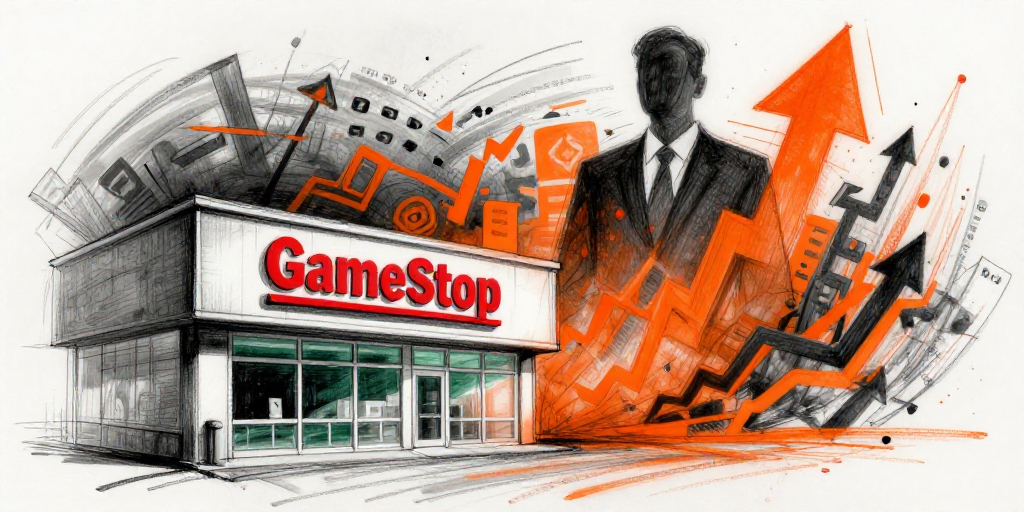
GameStop’s President, CEO, and Chairman Ryan Cohen has just purchased an additional 500,000 shares at an average price of $21.12 on January 20, 2026, raising his total holdings to roughly 37.85 million Class A common shares. This move comes after a similar purchase the day before at $21.60, bringing his stake to nearly 38.35 million. The incremental buying is modest in dollar terms but significant in signaling that the executive believes the stock is undervalued at its current market price of $21.69, just below the 52‑week low of $19.93 and far from the 2025 peak of $35.81.
Insider Activity Outpaces Market Volatility
Across the board, GameStop insiders have been actively trading, with 12,000 shares purchased by Attal Alain in two consecutive days at $20.90 and $21.63, and Mark Haymond’s 12,200‑share sale on January 12, 2025. These transactions, while smaller than Cohen’s, demonstrate a pattern of buying by top management amid the company’s restructuring of its U.S. footprint—approximately 470 stores slated for closure. The cumulative effect of these transactions is a gradual concentration of ownership among executives, potentially aligning their interests with long‑term shareholder value.
Implications for Investors
For investors, Cohen’s purchases reinforce a narrative of management conviction. Historically, executive buying has been a positive signal, often preceding earnings beats or strategic milestones. However, the current social‑media sentiment score of –3 and a buzz level of 223.71 % indicate heightened volatility and debate among retail investors. The market’s modest 8.33 % weekly gain suggests that the stock is still reacting to the broader retail‑sector sentiment and the company’s ongoing store‑closure strategy. In short, while executive buying is bullish, the high communication intensity could amplify short‑term price swings.
Balancing Contraction with Capital Allocation
GameStop’s decision to reduce its physical store count to fewer than 2,000 outlets signals a strategic shift toward a more efficient, possibly online‑centric model. The capital freed from these closures is likely being reallocated to technology upgrades and digital platform development—areas where Cohen’s background in e‑commerce could prove advantageous. The CEO’s increasing stake may thus be interpreted as a bet on the company’s ability to monetize its digital transformation while maintaining a selective retail presence.
Looking Ahead
Market participants should watch for future insider purchases or sales that may corroborate or contradict the current trend. A sustained pattern of executive buying could precede a turnaround or at least a stabilization of the stock around the $21–$23 range. Conversely, any large sales, especially by senior executives, could trigger a reevaluation of the company’s long‑term prospects. In the meantime, the balance of strategic store closures, capital redeployment, and CEO confidence will remain the key axes around which GameStop’s stock price is likely to oscillate.
| Date | Owner | Transaction Type | Shares | Price per Share | Security |
|---|---|---|---|---|---|
| 2026-01-20 | Cohen Ryan (President, CEO and Chairman) | Buy | 500,000.00 | 21.12 | Class A Common Stock, $0.001 par value per share |
| 2026-01-21 | Cohen Ryan (President, CEO and Chairman) | Buy | 500,000.00 | 21.60 | Class A Common Stock, $0.001 par value per share |