Insider Selling in a Restructuring Era
GameStop’s most recent sale by General Counsel and Secretary Robinson Mark Haymond—12,200 shares at a weighted average of $21.00—occurs against a backdrop of a company‑wide transformation. With the stock trading at $21.03 on January 12, 2026, the transaction represents a modest 0.00% change in price, yet it coincides with a 158 % spike in social‑media buzz and a strong positive sentiment of +65. The timing suggests that insiders are capitalizing on a temporarily elevated market perception while the company announces further cost‑cutting measures and a performance‑linked CEO compensation plan. For investors, the sell order signals that even senior executives are not immune to liquidity needs or portfolio rebalancing amid an industry shift toward digital distribution.
What It Means for Investors
Haymond’s sale, part of a series of purchases and sales over the past year, reflects a pattern of opportunistic trading. The insider’s holdings fell from 112,302 shares after the October 2, 2025 sale to 121,863 shares following the December 9 buy, and then increased to 122,830 after the December 23 purchase. The recent sell reduces the holding to 105,155 shares, a 14 % drop from the December position. While insiders buying signals confidence, selling can raise questions about short‑term outlook. However, the modest sale volume—12,200 shares—constitutes only 0.26 % of the company’s outstanding shares, limiting any immediate market impact. Analysts will likely weigh this move against GameStop’s restructuring plan, which includes closing 400 stores and a new CEO incentive program tied to profitability milestones. If the company successfully pivots to a digital‑first model, insider sales may be viewed as a tactical asset allocation move rather than a warning sign.
Haymond’s Trading Profile
Robinson Mark Haymond has demonstrated a balanced approach to GameStop’s stock. His first recorded transaction in this dataset was a sell of 4,449 shares at $27.58 in early October 2025, a price well above the 2026 average, indicating a willingness to realize gains when the market is high. He then shifted to buying: 9,561 shares at $21.84 in December, followed by 967 shares at $21.38. The most recent sell at $21.00 aligns with a slight decline in the share price. Over the past year, Haymond’s net position increased from 112,302 to 122,830 shares, suggesting a long‑term bullish stance despite periodic profit‑taking. His trading pattern—selling at peaks, buying during dips—mirrors that of a seasoned executive who balances conviction with prudent portfolio management.
Strategic Outlook for GameStop
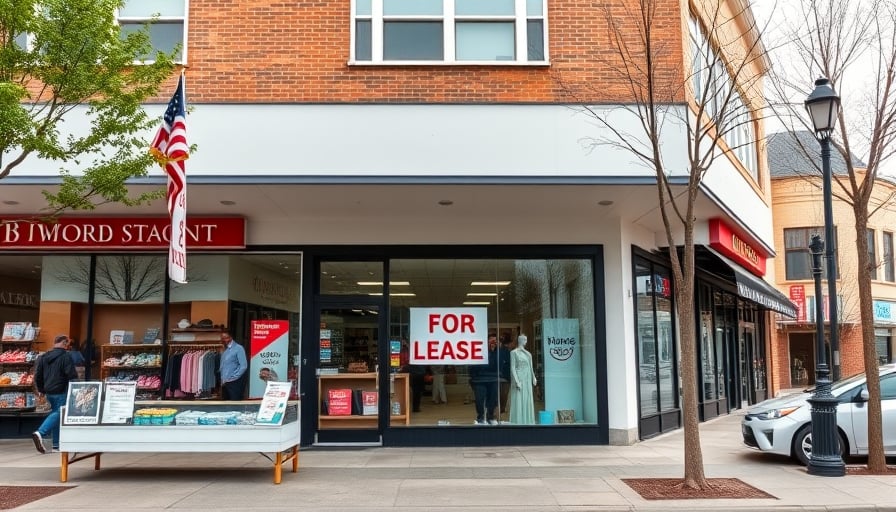
GameStop’s decision to close 400 stores reflects a broader industry trend of diminishing foot‑traffic and rising digital sales. While the move cuts operating costs, it also risks alienating a loyal customer base and disrupting supply chains. The new CEO compensation structure, contingent on hitting transformation targets, aligns executive incentives with the company’s long‑term strategy. Investors should monitor whether these initiatives translate into measurable improvements in revenue growth and profitability, as the company’s price‑earnings ratio of 25.66 indicates that markets are already pricing in significant upside expectations. If GameStop can successfully navigate the shift to digital and execute its restructuring without eroding brand value, insider sales like Haymond’s may prove to be tactical rather than a signal of looming distress.
| Date | Owner | Transaction Type | Shares | Price per Share | Security |
|---|---|---|---|---|---|
| 2026-01-12 | Robinson Mark Haymond (General Counsel and Secretary) | Sell | 12,200.00 | 21.00 | Class A Common Stock |